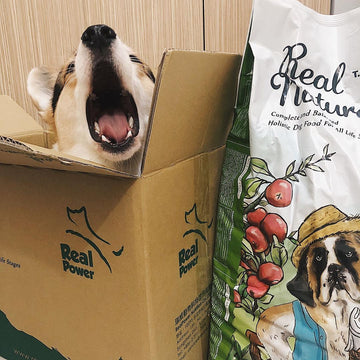
Keep the pet FIT, not FAT!
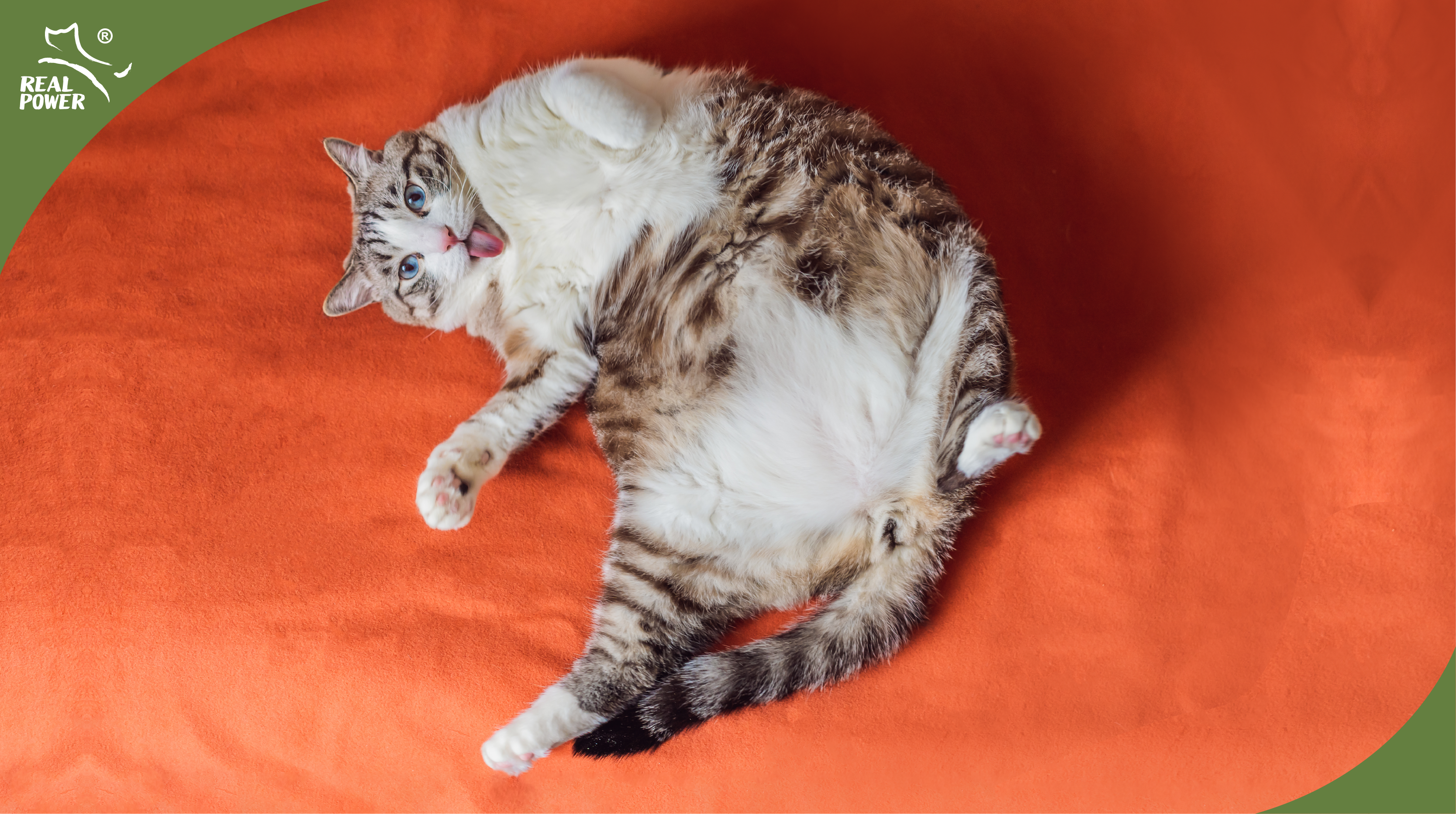
Fat Pets May Be Cute, But Is It Safe?
We all love a chubby cat or a round-bellied pup—they’re undeniably cute. But did you know that obesity can seriously impact your pet’s health and lifespan?
The Hidden Dangers of Obesity
Overweight pets are at a higher risk of:
-
Diabetes
-
Chronic arthritis
-
Skin diseases
-
Cardiovascular and respiratory issues
-
Increased risks under anesthesia [1]
So how do we help them stay fit and healthy? Just like humans: #BuildMuscleBurnFat.
Why Muscle Matters?
Muscle isn’t just for looking strong—it plays a critical role in:
-
Boosting metabolism
-
Burning fat
-
Supporting joints
-
Helping pets move more easily and comfortably
And the key nutrient for building muscle? Protein.
But not just any protein—high-quality, animal-based protein.
Animal Protein vs. Plant Protein: What’s the Difference?
Reading the label is important, but don’t stop at protein percentage.
Here’s why:
✔︎ Both chicken and peas can give you 26% protein on a label.
✘ But the nutritional quality isn’t the same.
Animal proteins are rich in essential amino acids, like taurine—a must for cats, which plant proteins simply don’t provide [2].
On top of that, some plant-based proteins like peas or soy contain anti-nutritional factors that can interfere with digestion [2].
Studies show that animal protein results in better growth and muscle development compared to plant protein [3].
Let’s Talk Amino Acids—Especially BCAA
BCAA (Branched-Chain Amino Acids) refers to leucine, isoleucine, and valine—three powerhouse amino acids vital for muscle growth and repair.
Normally, proteins are digested into amino acids and processed by the liver before being used by the body. But BCAAs skip the liver and head straight to the muscles to:
-
Repair wear and tear during activity
-
Stimulate muscle synthesis
-
Improve strength and performance
Think of leucine as the site supervisor shouting, “Hey! Start building muscle here!” [4]
したがって、BCAAが豊富な食品を選択すると、猫や犬の活動中及び活動後の筋肉の成長と修復に役立ちます。
以下の表は、ペットフードで一般的に使用される成分の中でBCAAを比較したものです。
同量の乾燥重量では、エンドウタンパク質(ペットフードの中で最も一般的に使用される植物性タンパク質)と動物性タンパク質のBCAA量に5倍の差が生じる可能性があります。
▼ BCAA content in vegetable vs. animal protein[6] ▼
| Pea | Soybean (Yellow Soy) |
★ Salmon |
★ Egg | |
| バリン | 714 | 1852 | 2956 | 3083 |
| イソロイシン | 624 | 1794 | 2599 | 2734 |
| ロイシン | 1106 | 3043 | 4593 | 3554 |
Units: Milligrams (mg) per 100g of protein. Rounded to the nearest whole number.
References: Database of Taiwan Food and Drug Administration
結論!
Obesity in pets isn’t just a cosmetic issue—it’s a health risk.
Supporting lean muscle with high-quality, animal-based protein helps:
-
Prevent chronic diseases
-
Increase energy and movement
-
Improve overall quality of life
When choosing pet food, don’t just look at protein percentage—focus on protein quality.
Look for brands that are transparent about their use of amino acids and BCAAs. Your pet’s muscles will thank you.
*Note 1: Amino acids are small molecules that makeup proteins. Different amounts and types of amino acids form into different types of proteins.
*Note 2: The essential amino acids are the amino acids that the body itself cannot produce and must be obtained from food. Health problems can occur if long-term deficiency present.
参照:
(1) German, Alex. "Obesity in companion animals." In Practice 32.2 (2010): 42-50.
(2) Mariotti, François. "Plant protein, animal protein, and protein quality." Vegetarian and plant-based diets in health and disease prevention. Academic Press, 2017. 621-642.
(3) Sarwar, Ghulam, et al. "Inter-and intra-laboratory variability in rat growth assays for estimating protein quality of foods." Journal of the Association of Official Analytical Chemists 67.5 (1984):
976-981.
(4) Brestenský, Matej, et al. "Branched chain amino acids and their importance in nutrition." Journal of Microbiology, Biotechnology and Food Sciences 2019 (2019): 197-202.
(5) Yin, Jie, et al. "Branched-chain amino acids, especially of leucine and valine, mediate the protein restricted response in a piglet model." Food & Function 11.2 (2020): 1304-1311.
(6) Database of Taiwan Food and Drug Administration https://consumer.fda.gov.tw/Food/TFND.aspx?nodeID=178