Vet's Note: Cataract or Nuclear Sclerosis? Sight and Hearing Changes in Senior Pets

Cloudy eyes don't always mean cataracts — it may be nuclear sclerosis.
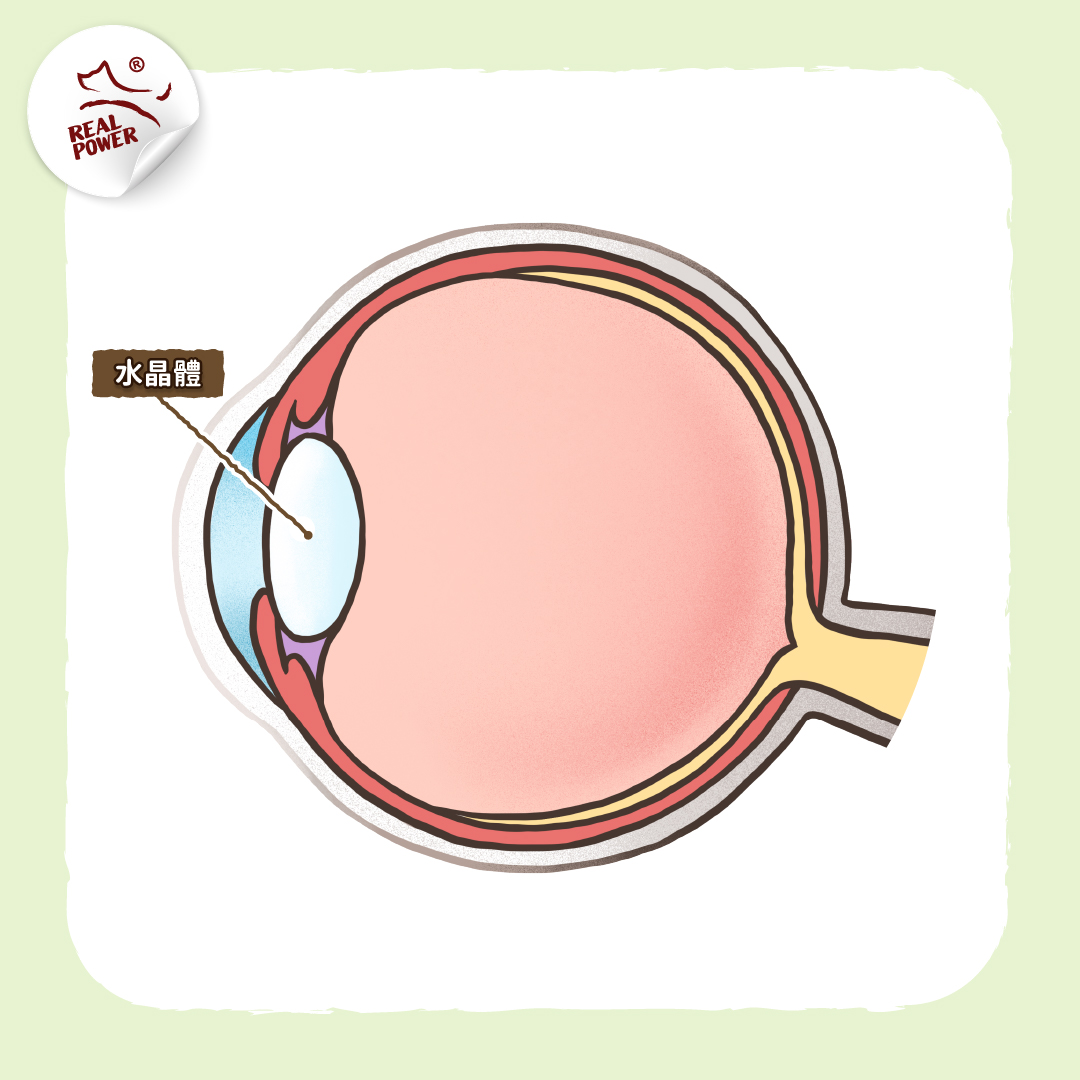
A cloudy white eye is a change in the lens
Some owners notice that the once jet-black centre of their pet's eye is turning hazy and white. It's more common in senior pets — and it is not necessarily a cataract.
This haze usually appears after middle age through ageing and progresses slowly; it's called nuclear sclerosis. It normally affects both eyes at once: lens fibres keep being produced and accumulate with age until the lens looks cloudy — like a stack of transparent folders that turns opaque once thick enough.
Dogs and cats don't see the world the way we do and don't rely on fine visual acuity. They don't read newspapers, thread needles or read watch dials, so the haze of nuclear sclerosis doesn't affect their lives. It's normal ageing — nothing to worry about.
Nuclear sclerosis is not the same as a cataract
Cataracts are more common in dogs than cats and have many causes, but the key difference is that a cataract is a disease. Proteins inside the lens denature, in one eye or both. Cataracts block light entering the eye; the process can involve inflammation and painful, uncomfortable complications, and ultimately blindness.
So if your pet's eyes are turning white, visit the vet to identify the condition correctly and avoid a misjudgement that delays treatment.
| Nuclear sclerosis | Cataract | |
|---|---|---|
| When | After middle age, through ageing | Any time; many causes (congenital, hereditary, disease-related…) |
| Cause | Lens fibres keep forming and accumulating with age; usually both eyes together | Protein denaturation inside the lens; one or both eyes. Blocks light and obstructs vision |
| Signs | Lens turns from clear to hazy like stacked transparent folders, but vision is unaffected | Eye also looks cloudy, but may inflame and cause painful complications, eventually blindness |
| Conclusion | Pets don't rely on fine sight; this normal ageing change doesn't affect their lives | Irreversible disease — must be diagnosed by a vet |
Do dogs go deaf?
Hearing loss in dogs shows in daily life: a dog that once barked at every rustle now sleeps through your homecoming, or is startled when you approach from behind while resting. Unfortunately there is no routine veterinary hearing test in Taiwan, and age-related hearing loss can't be prevented. Take extra care on walks: they may not hear approaching people or cars, or your call — so always keep them on a lead.
Growing old together
Every animal is unique, and ageing leaves different marks. Studies also note older animals tend to be more irritable and restless. Adult pets should have an annual health check; for seniors, shorten the interval to every six months. Ageing isn't frightening — take it in your stride, and you'll sense what your pet needs, just as you always have. With patience and love, walk this lesson in life together with your senior companion.
❚ Further reading: Do senior pets need their nutrition adjusted? Ask the vet first · Five essential nutrients for senior heart and kidney care
References
- Sapienza JS. Feline lens disorders. Clin Tech Small Anim Pract 2005;20(2):102-107.
- Taylor EJ, Adams C, Neville R. Some nutritional aspects of ageing in dogs and cats. Proc Nutr Soc 1995;54(3):645-656.