Vet's Note: Adjusting Nutrition for Senior Pets? Check This First

How to adjust nutrition for senior dogs and cats has remained controversial even in recent years — always decide with a vet you trust. Before adjusting anything, let's look at how basal metabolism and digestibility relate to age.
Did you know? A cat's energy needs don't fall in a straight line with age
Broadly, dogs resemble humans: with age they lose muscle, basal metabolic rate falls, activity usually drops too, and calorie needs generally need trimming. Cats are different. Perhaps because their activity doesn't fall much with age, their basal metabolic requirement doesn't keep declining (Figure 1) — it reaches a low around age 12 and then rises again. Cats over 12 may need the same or even more calories.
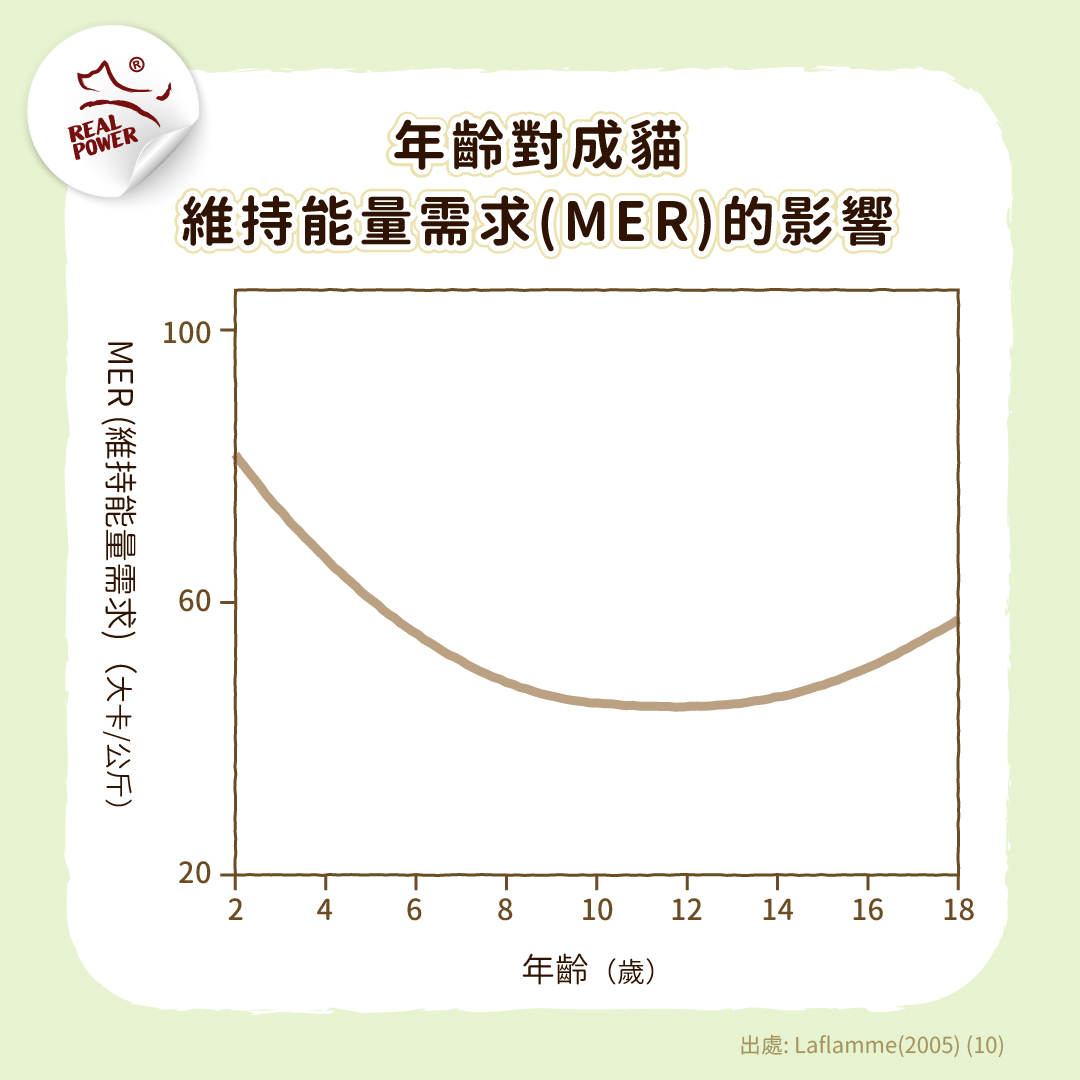
(Figure 1) Effect of age on maintenance energy requirement (MER) in adult cats.
The older the pet, the lower the gut's use of protein and fat
Age also affects digestion. Protein and fat digestibility are negatively correlated with age: on average, older dogs and cats use protein and fat less efficiently. Digestibility that was 95% in youth may drop below 80% in old age. High-quality ingredients — especially the protein and fat in the diet — become very important at this stage.
So before deciding to reduce any nutrient, base the decision on scientific diagnosis such as blood tests. Many owners simply "infer" that an old animal needs less protein — which may only bring worse results long-term.
So what should a senior animal eat?
Strictly speaking, the question isn't what "old dogs and cats" need, but what your pet needs. Proven health-supporting nutrients and ingredients can be freely increased: antioxidants have been shown in several trials to improve quality of life in older animals — vitamins E and C, carotenoids and fatty acids are excellent sources.
But there's no fixed rule for dietary fibre, for example. High fibre may reduce digestibility — something we know older pets should avoid — yet if your senior is constipated, dietary fibre needs to go up.
Older animals differ from young ones in having far more health problems of all kinds. Real dietary adjustment must follow each animal's condition; there is not, and should not be, one formula that suits every animal.
Note too that, like people, ageing cats and dogs may grow more stubborn and adapt less well to food changes, and dulled senses can reduce appetite. One thing is certain: choosing food tasty enough that your pet eats it heartily is absolutely essential.
❚ Further reading: Five essential nutrients for senior heart and kidney care · Cataract or nuclear sclerosis? Sight and hearing changes in senior pets
References
- Taylor EJ, Adams C, Neville R. Some nutritional aspects of ageing in dogs and cats. Proc Nutr Soc 1995;54(3):645-656.
- Sparkes AH. Feeding old cats — An update on new nutritional therapies. Top Companion Anim Med 2011;26(1):37-42.
- Patil AR, Cupp CJ. Addressing age-related changes in feline digestion. Companion Animal Nutrition Summit 2010:62.
- Gajanayake I. Senior pets — dietary advice to offer cat and dog owners. Vet Times 2017;47(15).
- Bailoni L, Cerchiaro I. The role of feeding in the maintenance of well-being and health of geriatric dogs. Vet Res Commun 2005;29(2):51-55.